
Uttarakhand: pricing for pilgrims, yogis and summer families
Uttarakhand mixes three demand engines — hill-station holidays, the Char Dham pilgrimage and Rishikesh's yoga and river scene. Each has its own calendar, and your home probably serves one more than the others.
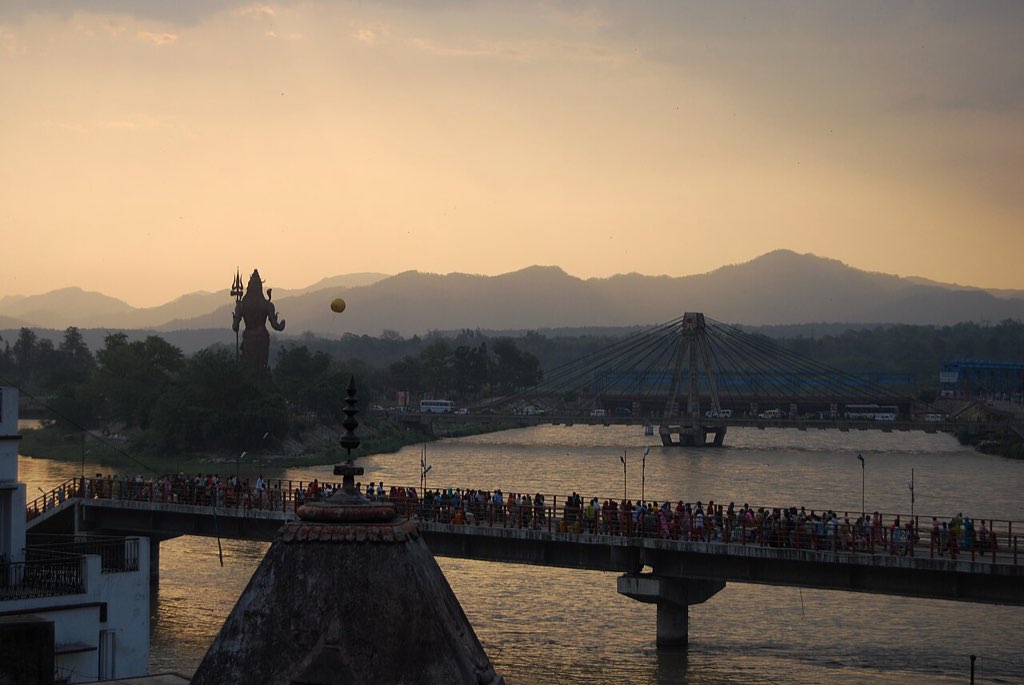
An owner in Mussoorie, one in Rishikesh and one in Dehradun can face very different years. Knowing which engine drives your bookings is the first pricing decision you make.
Engine one: the hill stations
Mussoorie and Nainital fill when the northern plains heat up. May and June, with school holidays, are the classic peak; weekends from Delhi are strong most of the year. Winter brings occasional snow and a New Year crowd. Set your top base for summer weekends and year-end, and a lower one for the monsoon.
Engine two: the pilgrimage
The Char Dham shrines — Yamunotri, Gangotri, Kedarnath and Badrinath — open around late April or May and close for winter around October–November; Kedarnath traditionally closes on Bhai Dooj, just after Diwali. Rishikesh, Haridwar and Dehradun serve as starting points. Pilgrims often stay one or two nights before and after the trek, so short minimum stays suit these towns during the yatra months. The Kanwar Yatra in the month of Shravan (July–August) brings huge crowds to Haridwar and Rishikesh; demand rises, but road restrictions can also complicate guest arrivals.
Engine three: Rishikesh's yoga and river season
- International Yoga Festival, usually in March, attracts visitors from India and abroad for a week.
- Autumn and spring are the best months for yoga retreats, with many guests staying a week or a month — ideal for weekly and monthly rates.
- River rafting is generally suspended through the monsoon, which removes a large share of adventure bookings from July to mid-September.
The monsoon problem
From July to mid-September, heavy rain and landslides affect hill roads in many years. Travellers cancel or postpone. Price lower, keep minimums short, and write a clear cancellation policy. Do not chase occupancy with deep discounts if roads to your area are closed — no price will move a guest who cannot reach you.
No invented numbers
There are no AirROI 2026 figures for Uttarakhand we are prepared to publish, so we offer no average rate here. Compare your home with similar ones — same town, similar view, walking distance from the road, heating and parking — and track how fast each period fills over the first season.
Putting it into a rate sheet
- Base price: set for an ordinary weekday in October.
- Weekend uplift: strong in Mussoorie and Nainital, moderate in Rishikesh, weaker in Dehradun's business areas.
- Seasonal steps: summer peak, Char Dham months, festival week, year-end, monsoon low.
- Minimum stay: longer on summer and New Year weekends, one night for pilgrims in transit.
- Last-minute and long-stay: the monsoon for the first; yoga seasons for the second.
- Cleaning fee: essential where one-night pilgrim stays are common.
Example only, not market data: a Rishikesh apartment might hold a monthly rate for October–November retreat guests, a higher nightly rate for yoga festival week, and a lower rate with free cancellation during the monsoon.
GST on accommodation is 5% without input tax credit up to ₹7,500 a night and 18% above, since 22 September 2025. Check Uttarakhand's homestay registration scheme before taking bookings.
Frequently asked questions
When is the peak season in Mussoorie and Nainital?
May and June, when northern schools close and the plains are hot. Year-end and weekends from Delhi are also strong.
Does the Char Dham Yatra help owners in Rishikesh and Dehradun?
Yes, from the shrines' opening in late April or May until their closing around October–November. Pilgrims often want one or two nights, so short minimum stays suit this demand.
Should I discount heavily in the monsoon?
Moderately. If landslides close roads, discounts won't bring guests. Focus on flexibility and a clear cancellation policy.
Is a monthly rate useful in Rishikesh?
Very. Yoga students and retreat guests often stay for weeks, especially in spring and autumn.
In this guide
- What should I charge per night? A pricing method for Indian owners
- Himachal Pradesh: two peaks, one risky monsoon
- Delhi NCR: setting a nightly rate across three very different cities
- Rajasthan: pricing around the desert season and the wedding calendar
- Pricing a Goa rental: from monsoon lull to New Year rush
- What to charge for a Mumbai flat, night by night
- Bengaluru: pricing for a city that works all week
- Kerala: pricing across coast, backwaters and hills
Areas
State pages
More free tools
Sources
- IMD — New normal dates of monsoon onset and withdrawal
- Diwali — date and overview
- Business Standard — Finance Ministry clarification on 5% GST for rooms up to ₹7,500
- GMVN — International Yoga Festival, Rishikesh
- Uttarakhand Tourism
Updated 27/09/2026 — rules change: always check the latest official text.
Thinking of renting out your home?
Free, no-obligation estimate from Hexuvium, managing short-term rentals since 2015. Prefer WhatsApp? Leave your number — we reply there.
Get a free income estimate